24. Horseshoe Island |
||||||||||

|
||||||||||
|---|---|---|---|---|---|---|---|---|---|---|
|
||||||||||
|
||||||||||
| Description | ||||||||||
| TOPOGRAPHY | ||||||||||
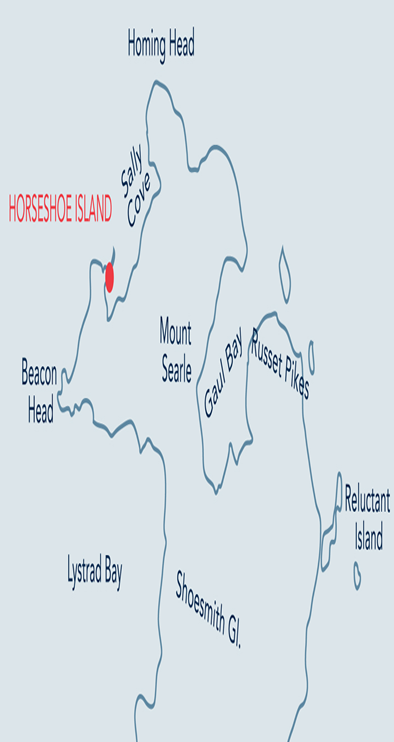
| Horseshoe Island is a small rocky island in Bourgeois Fjord, Marguerite Bay. | ||||||||||
| FAUNA | ||||||||||
| Confirmed breeders: Brown skua, Kelp gull. | ||||||||||
| FLORA | ||||||||||
| 29 species of lichen and 15 species of moss have been reported from Horseshoe Island. | ||||||||||
| OTHER | ||||||||||
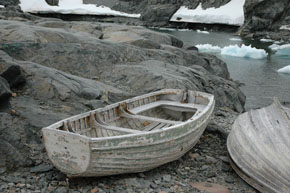
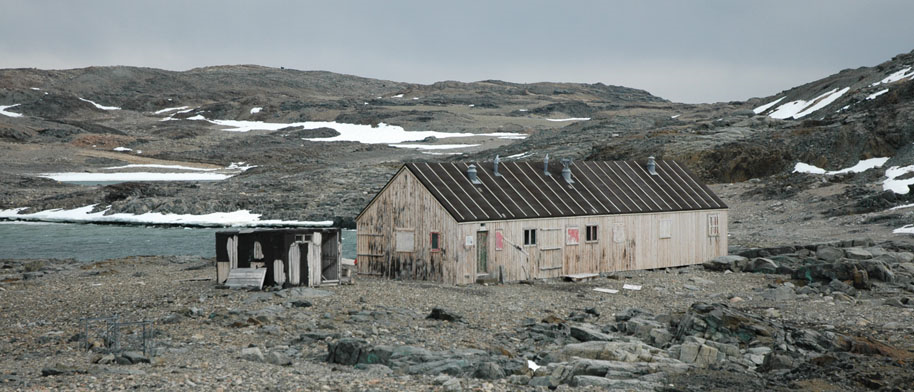
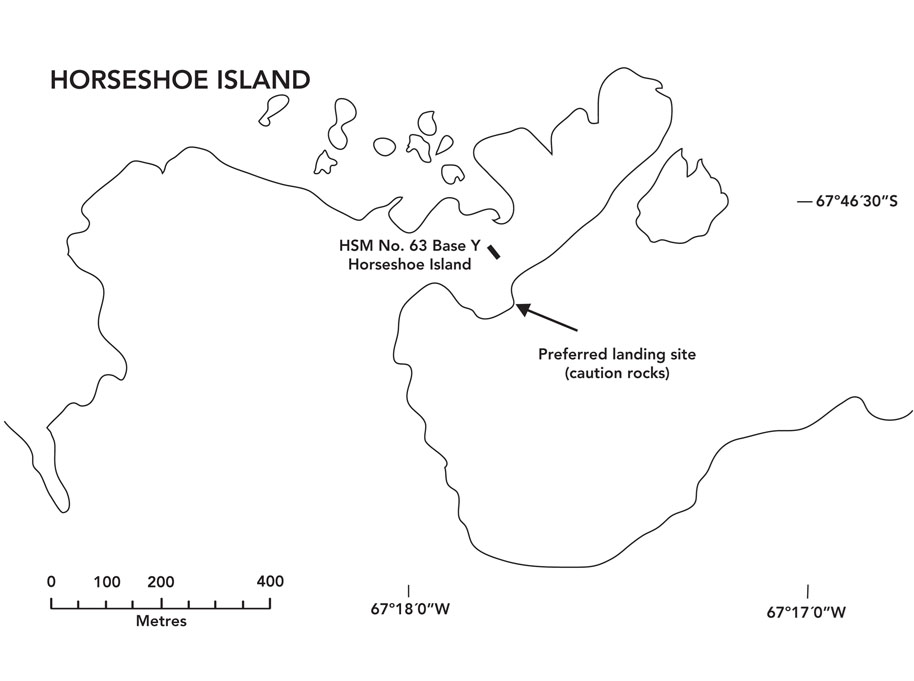
| British Base ‘Y’ is designated as Historic Site and Monument No. 63. It sits on a small peninsula at the northwestern end of the island overlooking Sally Cove. It is noteworthy as a relatively unaltered and well equipped British scientific base of the late 1950s, providing a time capsule of life and science of the time. It was occupied continuously from March 1955 to August 1960, and re-opened for a 4 month period in 1969. In addition to the base building, there is also a balloon shed, pup pens, an emergency store, two pram dinghies and a winch. ‘Blaiklock’, the refuge hut located several miles away, is considered an integral part of the base. | ||||||||||
| Visitor Impact | ||||||||||
| KNOWN IMPACTS | ||||||||||
| None known. | ||||||||||
| POTENTIAL IMPACTS | ||||||||||
| Fire. Minor fuel spills. | ||||||||||
| Landing Requirements | ||||||||||
| SHIPS* | ||||||||||
|
Max pax on board: 500
Ships at a time: 1 Comments: Maximum 2 ships per day (midnight to midnight), of which no more than 1 can carry over 200 passengers. * A ship is defined as a vessel which carries more than 12 passengers. |
||||||||||
| VISITORS | ||||||||||
|
Maximum number of visitors at any time, exclusive of expedition guides and leaders: 100 Comments: No more than 12 visitors are allowed inside the base at any one time. Base ‘Y’ was proposed as HSM No. 63 by the UK. Visits to the hut may only take place with prior permission given by a Party. The Party undertaking management of the site should also be informed prior to the visit. Visitors enter the base at their own risk and the UK authorities will not be liable for any personal injury or damage to property that may be sustained. |
||||||||||
| Visitor Area | ||||||||||
| LANDING AREA | ||||||||||
| The preferred landing site is in Sally Cove to the south of the hut. | ||||||||||
| CLOSED AREA | ||||||||||
| Visitors should not access the loft or any of the secondary huts or other structures. | ||||||||||
| GUIDED WALKING AREA | ||||||||||
| None. | ||||||||||
| FREE ROAMING AREA | ||||||||||
| Visitors may roam freely under close supervision. | ||||||||||
| Visitor code of conduct | ||||||||||
| BEHAVIOUR ASHORE | ||||||||||
|
||||||||||
| CAUTIONARY NOTES | ||||||||||
|
Materials containing unstable asbestos are known to be present in the loft. Other asbestos containing materials are present within the building fabric. Boat drivers should be aware of rocks on the entrance to Sally Cove. The rocks at the landing site can be slippery when wet. |
||||||||||
|
||||||||||
| A view of the Hut from the North East with a kennel in the foreground | ||||||||||
|
||||||||||
|
||||||||||
|
|
Please note that ATCM / CEP circulars are available only to specific contact points.
Please contact your Party Contact Administrator, to confirm if you have privileges to access this section.
To access this section you must log in using your personal Username/Email and password as registered in the AT Contacts Database.
To access this section you must log in using your personal Username/Email and password as registered in the AT Contacts Database.
If you are not registered, please request your party’s Contact Administrator to assign your credentials or contact the Secretariat for assistance.