10. Pleneau Island |
||||||||||||

|
||||||||||||
|---|---|---|---|---|---|---|---|---|---|---|---|---|
|
||||||||||||
|
||||||||||||
| Description | ||||||||||||
| TOPOGRAPHY | ||||||||||||
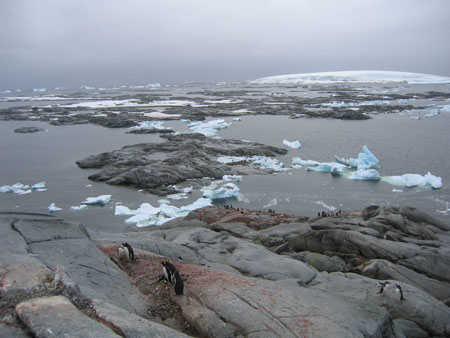
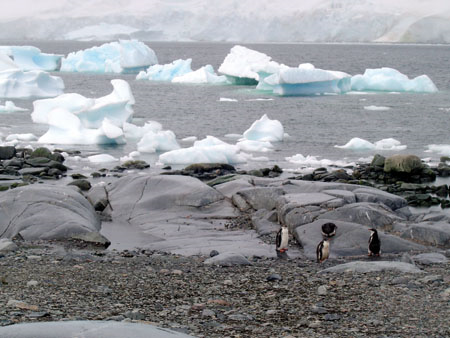
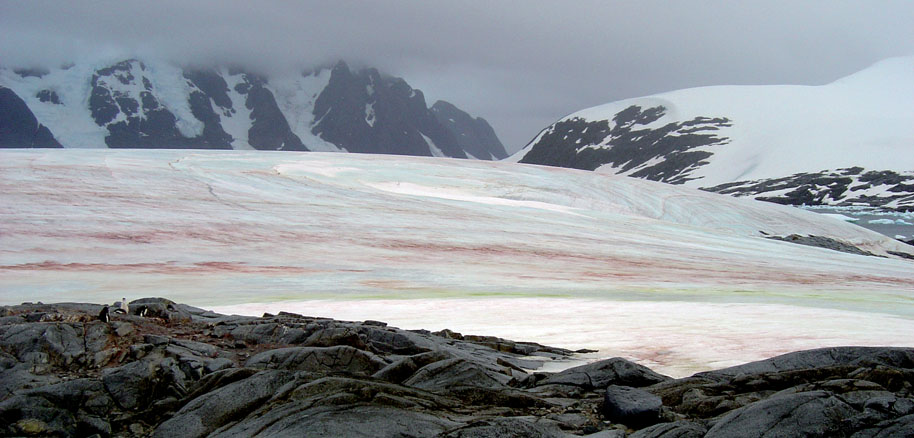
| This island is around 1.2km long. From the cobbled beach on the eastern coast, smooth rock terraces slope gently upwards towards a large crevassed ice-cap, which covers the western two-thirds of the island. | ||||||||||||
| FAUNA | ||||||||||||
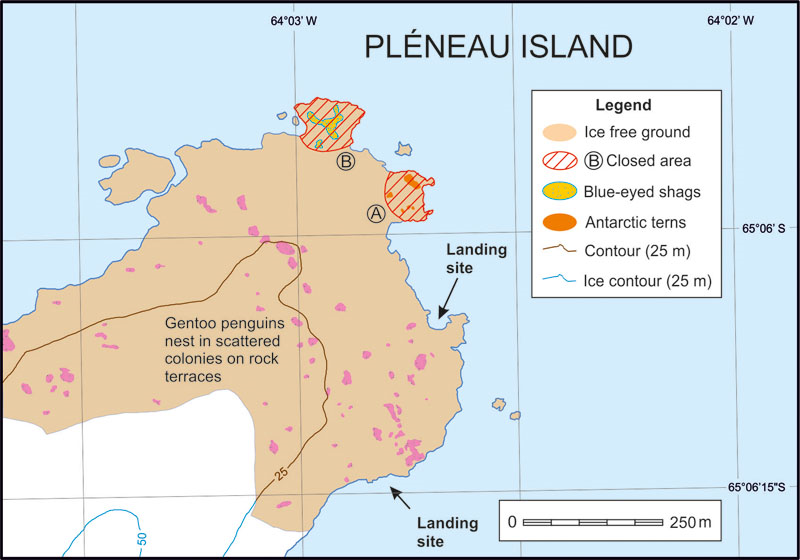
| Confirmed breeders: Antarctic tern, Blue-eyed shag, Gentoo penguin, Kelp gull, South Polar Skua. | ||||||||||||
| Regularly haul out: Southern elephant seal, Weddell seal. | ||||||||||||
| Seen off-shore: Leopard seal. | ||||||||||||
| FLORA | ||||||||||||
| Swards of moss species, Caloplaca spp. and other lichens, the green alga Prasiola crispa and snow algae. | ||||||||||||
| Visitor Impact | ||||||||||||
| KNOWN IMPACTS | ||||||||||||
| None. | ||||||||||||
| POTENTIAL IMPACTS | ||||||||||||
| Disturbance of wildlife and trampling of vegetation. | ||||||||||||
| Landing Requirements | ||||||||||||
| SHIPS* | ||||||||||||
|
Max pax on board: 500
Ships per day: 3 Comments: * A ship is defined as a vessel which carries more than 12 passengers. |
||||||||||||
| VISITORS | ||||||||||||
|
Maximum number of visitors at any time, exclusive of expedition guides and leaders: 100 Visitors per guide: 20 Comments: No visitors ashore between 22:00hrs and 04:00hrs (local time), except for those engaged in organised overnight stays. This is in order to establish a resting period for the wildlife. |
||||||||||||
| Visitor Area | ||||||||||||
| LANDING AREA | ||||||||||||
| On rocks and boulders on the east-northeastern end, facing Booth Island. | ||||||||||||
| CLOSED AREA | ||||||||||||
|
Closed Area A: Antarctic terns nesting area on the northeastern tip of the island. Closed Area B: Blue-eyed shags nesting area on the northern end of the island. |
||||||||||||
| GUIDED WALKING AREA | ||||||||||||
| None. | ||||||||||||
| FREE ROAMING AREA | ||||||||||||
| Visitors may roam freely, but under supervision, except in the closed areas. Given the irregular topography at this site, guides should be aware that it is more difficult to ensure the necessary supervision of visitors. | ||||||||||||
| Visitor code of conduct | ||||||||||||
| BEHAVIOUR ASHORE | ||||||||||||
|
||||||||||||
| CAUTIONARY NOTES | ||||||||||||
| The ice cap is likely to be crevassed and should only be visited with appropriately qualified guides and suitable equipment. | ||||||||||||
|
||||||||||||
| A large ice cap covers two-thirds of Pleneau Island | ||||||||||||
|
||||||||||||
|
||||||||||||
|
|
Please note that ATCM / CEP circulars are available only to specific contact points.
Please contact your Party Contact Administrator, to confirm if you have privileges to access this section.
To access this section you must log in using your personal Username/Email and password as registered in the AT Contacts Database.
To access this section you must log in using your personal Username/Email and password as registered in the AT Contacts Database.
If you are not registered, please request your party’s Contact Administrator to assign your credentials or contact the Secretariat for assistance.