39. Yalour Islands |
||||||||||||

|
||||||||||||
|---|---|---|---|---|---|---|---|---|---|---|---|---|
|
||||||||||||
|
||||||||||||
| Description | ||||||||||||
| TOPOGRAPHY | ||||||||||||
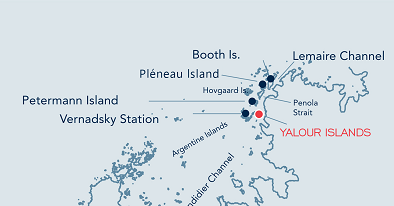
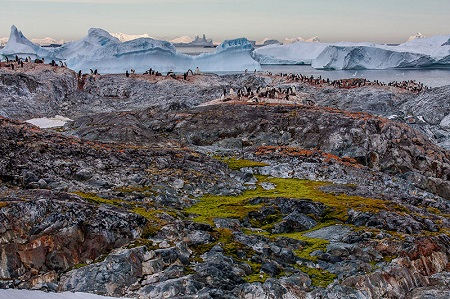
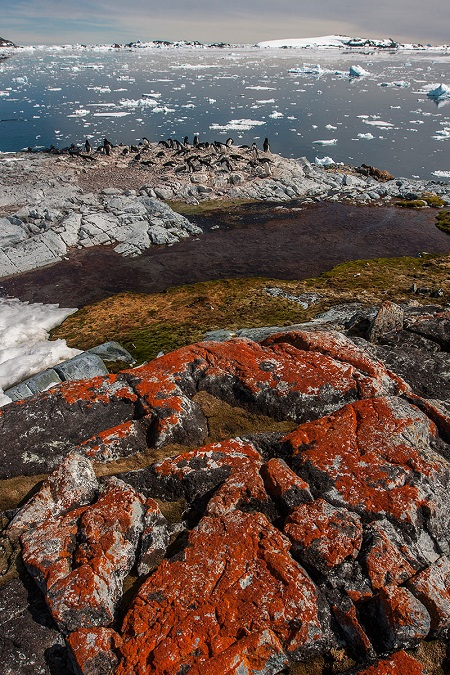
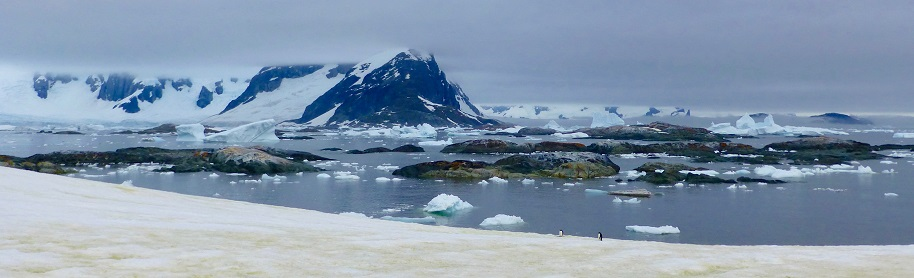
| A 1.5 mile long group of scattered low lying islands and rocks in the southern part of the Wilhelm Archipelago. The coastline is primarily rocky, comprising predominantly igneous intrusive rocks, usually with a short steep climb up to the penguin breeding areas. | ||||||||||||
| FAUNA | ||||||||||||
| Confirmed breeders: Adélie penguin, Antarctic tern, Blue-eyed shag, Brown skua, Gentoo penguin, Kelp gull, South Polar Skua, Wilson’s storm petrel. | ||||||||||||
| Hunt off-shore: Orca whale. | ||||||||||||
| Occasionally haul out: Antarctic fur seal, Southern elephant seal, Weddell seal. | ||||||||||||
| Seen near-shore: Crabeater Seal, Leopard seal. | ||||||||||||
| Suspected Breeders: Snowy sheathbill. | ||||||||||||
| FLORA | ||||||||||||
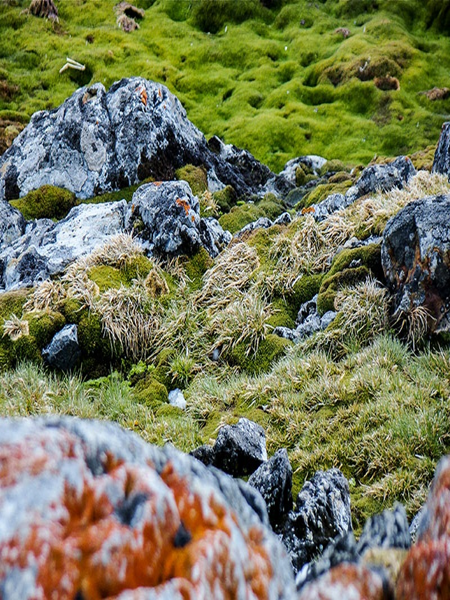
| Small patches of bearded and crustose lichen species including Xanthoria spp., Buellia spp., Caloplaca spp., Usnea spp. Extensive moss beds and Antarctic hairgrass (Deschampsia Antarctica) may be present. Snow algae may be present late season. | ||||||||||||
| OTHER | ||||||||||||
| The site is recognised as being one of the southernmost recorded Gentoo penguin colonies as well as a number of other confirmed breeding bird species and a considerable coverage of mosses and lichens. It has seen a growth in visitor numbers in recent years; reaching a peak, to date, of 1,953 visitors in 2013-14 season; the site had 27 visits during this austral summer season and was briefly amongst the twenty most visited sites. | ||||||||||||
| Visitor Impact | ||||||||||||
| KNOWN IMPACTS | ||||||||||||
| None known. | ||||||||||||
| POTENTIAL IMPACTS | ||||||||||||
| Trampling vegetation and initial soils and disturbance of nesting birds and seals. | ||||||||||||
| Landing Requirements | ||||||||||||
| SHIPS* | ||||||||||||
|
Max pax on board: 500
Ships at a time: 1 Comments: Maximum 2 ships per day (midnight to midnight), of which no more than 1 can carry over 200 passengers. * A ship is defined as a vessel which carries more than 12 passengers. |
||||||||||||
| VISITORS | ||||||||||||
|
Maximum number of visitors at any time, exclusive of expedition guides and leaders: 60 Curfew time period (from/to), in order to establish a rest period for wildlife: 22:00-04:00 Comments: |
||||||||||||
| Visitor Area | ||||||||||||
| LANDING AREA | ||||||||||||
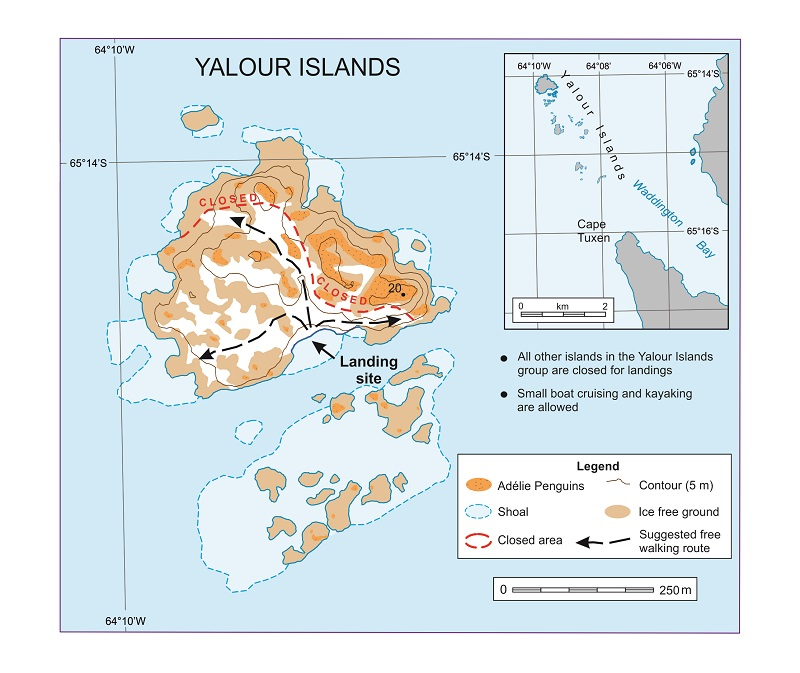
| Depending on the state of the sea ice, snow conditions onshore and tide, on the largest island there are several potential landing points on cobbled shoreline along the southern shore of the largest island, with a climb up rocky shores to visit the nesting penguins. | ||||||||||||
| CLOSED AREA | ||||||||||||
| Northern and eastern parts of the largest island (especially cliffs), zones of rich vegetation and initial soils formation, nesting sites. All small islands of Yalour archipelago where there is no place for landings. | ||||||||||||
| GUIDED WALKING AREA | ||||||||||||
| None. | ||||||||||||
| FREE ROAMING AREA | ||||||||||||
| Visitors may roam freely on snow-covered areas, but under close supervision. Given the irregular topography at this site, guides should keep visual contact on all visitors at all times. | ||||||||||||
| Visitor code of conduct | ||||||||||||
| BEHAVIOUR ASHORE | ||||||||||||
|
||||||||||||
| Comments: | ||||||||||||
|
All visits are to be conducted in accordance with the General Guidelines for Visitors to the Antarctic. Visits should always be kept to areas where the snow is thick enough to avoid damage to the vegetation, particularly moss and lichen, which is abundant across all exposed rock and boulder areas. Small boat cruising is an appropriate alternative to landing at this site, particularly late season when snow has melted exposing more vegetation. Be particularly sensitive to penguin highways and ensure visitors are guided in these areas. |
||||||||||||
| CAUTIONARY NOTES | ||||||||||||
|
Small boat drivers should be aware of submerged rocks and foul waters surrounding the island and fast moving current at certain states of the tide, which can affect pack ice conditions. Compacted snow and ice around the coastline can be undercut by sea water and result in overhangs, which can be dangerous. |
||||||||||||
|
||||||||||||
|
||||||||||||
|
||||||||||||
|
|
Please note that ATCM / CEP circulars are available only to specific contact points.
Please contact your Party Contact Administrator, to confirm if you have privileges to access this section.
To access this section you must log in using your personal Username/Email and password as registered in the AT Contacts Database.
To access this section you must log in using your personal Username/Email and password as registered in the AT Contacts Database.
If you are not registered, please request your party’s Contact Administrator to assign your credentials or contact the Secretariat for assistance.