30. Taylor Valley |
||||||||||||

|
||||||||||||
|---|---|---|---|---|---|---|---|---|---|---|---|---|
|
||||||||||||
|
||||||||||||
| Description | ||||||||||||
| TOPOGRAPHY | ||||||||||||
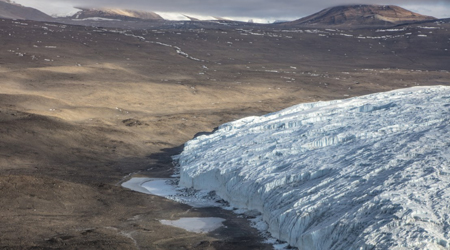
| Largely flat, with two small hills on the southern boundary. The ice free ground has relatively undisturbed desert pavement and patterned ground. During the summer months there are moist soils and small ponds at the terminus of the glacier. | ||||||||||||
| FLORA | ||||||||||||
| Sparse patches of moss (some of which are hard to see) and several species of freshwater algae and cyanobacteria. | ||||||||||||
| OTHER | ||||||||||||
|
Fauna: Invertebrates inhabit moss and algal communities in the zone, including Arthropods, Tardigrades, Rotifers and Protozoa. ‘Mummified’ (desiccated) seals provide important habitats for microflora and fauna. Designated as a Visitor Zone in the McMurdo Dry Valleys ASMA, allowing visits to the Area while protecting the surrounding environment. |
||||||||||||
| Visitor Impact | ||||||||||||
| KNOWN IMPACTS | ||||||||||||
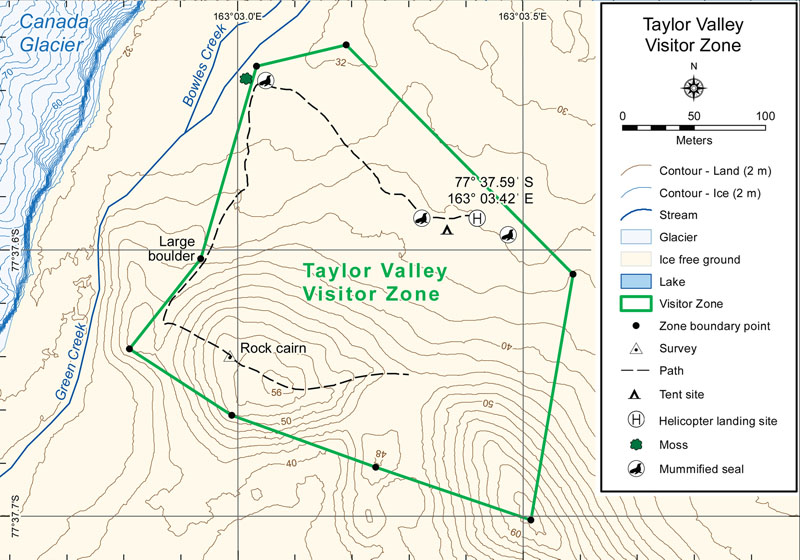
| Established tracks in the zone on the hills and around the helicopter landing site and minor tracking in the softer sediment around the margins of the pro-glacial ponds. There are monitoring and research markers, a marked helicopter landing site and a designated tent site in the zone. | ||||||||||||
| POTENTIAL IMPACTS | ||||||||||||
| Ground disturbance (e.g. development of further tracks, soil structure damage, rotor wash from helicopters), disturbance to flora and fauna and the introduction of species not native to the area. | ||||||||||||
| Landing Requirements | ||||||||||||
| AIRCRAFT | ||||||||||||
| Landing is at the designated site in the Visitor Zone at 77° 37.59’ S, 163° 03.42’ E. The corners and centre of the landing pad are marked with yellow steel plates. | ||||||||||||
| VISITORS | ||||||||||||
|
Maximum number of visitors at any time, exclusive of expedition guides and leaders: 100 Comments: Visitors should stay within the designated zone to ensure the values of the surrounding environment are protected. |
||||||||||||
| Visitor Area | ||||||||||||
| LANDING AREA | ||||||||||||
| The helicopter landing site is situated on the northeastern side of the Visitor Zone. | ||||||||||||
| CLOSED AREA | ||||||||||||
| Areas outside of the Visitor Zone. | ||||||||||||
| GUIDED WALKING AREA | ||||||||||||
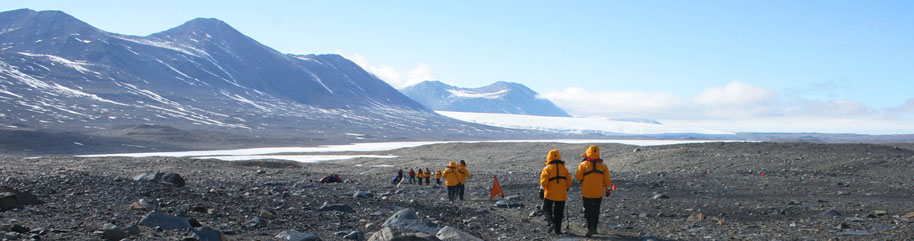
| Tour operators should mark the track in the zone with temporary markers (e.g. flags). Visitors should walk in small guided groups on the existing track. | ||||||||||||
| FREE ROAMING AREA | ||||||||||||
| None. | ||||||||||||
| Visitor code of conduct | ||||||||||||
| BEHAVIOUR ASHORE | ||||||||||||
|
||||||||||||
| CAUTIONARY NOTES | ||||||||||||
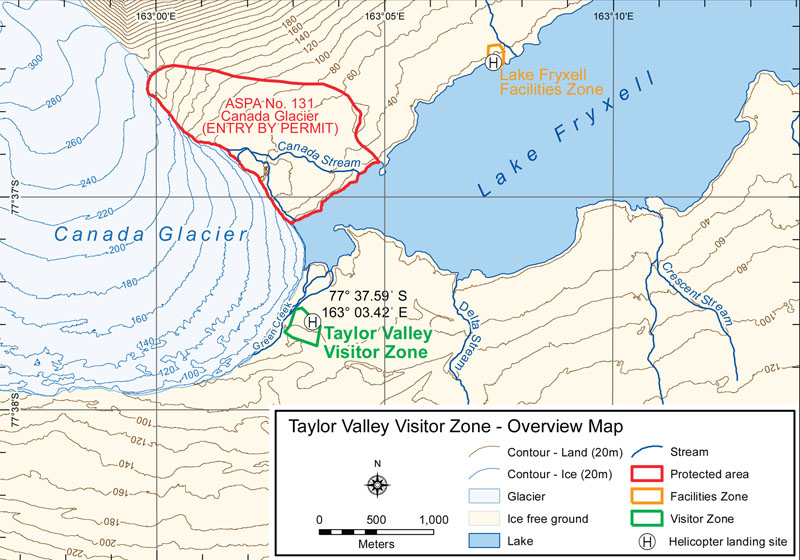
| Antarctic Specially Protected Area (ASPA) No. 131, Canada Glacier is approximately 1km from the Taylor Valley Visitor Zone. Care is needed to ensure that the correct landing site is located. | ||||||||||||
|
||||||||||||
|
||||||||||||
|
||||||||||||
|
Please note that ATCM / CEP circulars are available only to specific contact points.
Please contact your Party Contact Administrator, to confirm if you have privileges to access this section.
To access this section you must log in using your personal Username/Email and password as registered in the AT Contacts Database.
To access this section you must log in using your personal Username/Email and password as registered in the AT Contacts Database.
If you are not registered, please request your party’s Contact Administrator to assign your credentials or contact the Secretariat for assistance.