45. Cape Adare |
||||||||||||

|
||||||||||||
|---|---|---|---|---|---|---|---|---|---|---|---|---|
|
||||||||||||
|
||||||||||||
| Description | ||||||||||||
| TOPOGRAPHY | ||||||||||||
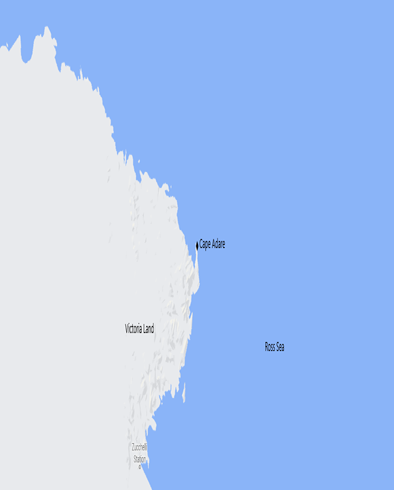
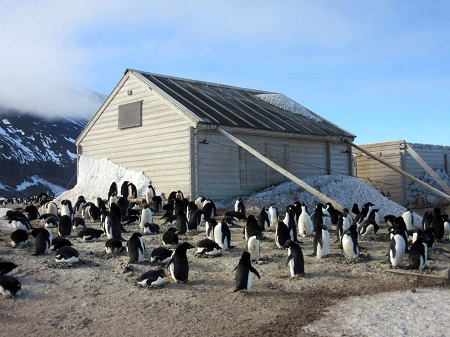
| Cape Adare is a prominent headland at the northern extremity of Adare Peninsula, Victoria Land, on the Borchgrevink Coast, Ross Sea. The historic huts are on the southern shore of Ridley Beach, a flat shingle foreland ~1.7 km southwest of Cape Adare. Borchgrevink’s huts were the first structures erected on the Antarctic continent. Ridley Beach and nearby slopes are occupied by the largest Adélie penguin (Pygoscelis adeliae) colony in Antarctica, in 2018 numbering around half a million pairs and identified as an Important Bird Area. Penguins nest around the historic huts and access is often constrained by the need to avoid disturbance. About 300 pairs of South polar skuas (Stercorarius maccormicki) breed above the penguin colony on Adare Peninsula. | ||||||||||||
| FAUNA | ||||||||||||
| Confirmed breeders: Adélie penguin, South Polar Skua. | ||||||||||||
| Regularly haul out: Weddell seal. | ||||||||||||
| Snow petrel (Pagodroma nivea), Southern giant petrel (Macronectes giganteus), Wilson’s storm petrel (Oceanites oceanicus) and Antarctic petrel (Thalassoica antarctica) have been observed in the area. Emperor (Aptenodytes forsteri) and King (A. patagonicus) penguins, and Leopard (Hydrurga leptonyx) Elephant (Mirounga leonina) and Antarctic fur (Arctocephalus gazella) seals may occasionally be seen. | ||||||||||||
| FLORA | ||||||||||||
|
Various species of algae, crustose lichens and mosses are present on Adare Peninsula. |
||||||||||||
| OTHER | ||||||||||||
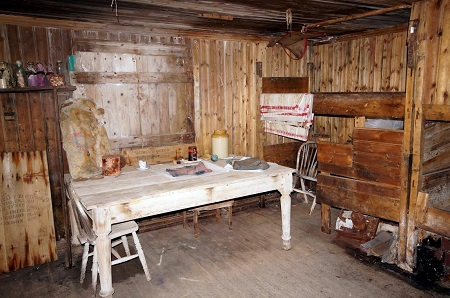
| Cape Adare is one of the principal areas of early human activity in Antarctica. The huts built by Borchgrevink’s Southern Cross Expedition 1898-1900 and Northern Party of Scott’s Terra Nova Expedition 1910-13 have been designated Historic Site and Monument (HSM) No. 22. Numerous artefacts remain in Borchgrevink’s huts and in the surrounding area, although Scott’s hut has collapsed. The Norwegian Nicolai Hanson died on Borchgrevink’s expedition and was the first person to be buried on the Antarctic continent in a grave that lies high on Adare Peninsula (HSM No. 23). | ||||||||||||
| Visitor Impact | ||||||||||||
| KNOWN IMPACTS | ||||||||||||
| Disturbance to historic artefacts, cumulative effects of human presence in and around the huts. Disturbance to penguins, skuas and seals. | ||||||||||||
| POTENTIAL IMPACTS | ||||||||||||
| Damage to huts and associated artefacts, fire, importation of non-native species, litter, disturbance to conservation work and research, noise. Disturbance to sensitive fauna. | ||||||||||||
| Landing Requirements | ||||||||||||
| SHIPS* | ||||||||||||
|
Comments: No current limit on ships, although visitor numbers are subject to the limits set below. Comments: * A ship is defined as a vessel that carries more than 12 passengers. |
||||||||||||
| VISITORS | ||||||||||||
|
Comments: Entry into ASPA No. 159 is prohibited except in accordance with a permit which must be carried on site. All visitors to ASPA No. 159 must be accompanied by a trained guide. Consult the ASPA Management Plan and permit for further information. The historic hut is locked and a key must be obtained as part of the permitting process. • Annual max. number of visitors into ASPA No. 159 (including guides): 2000 people. • Max. number of people in ASPA No. 159 at any one time (including guides and those within the huts): 40 people. • Max. number of people inside either of Borchgrevink’s huts at any one time (including guides): 4 people. |
||||||||||||
| Visitor Area | ||||||||||||
| LANDING AREA | ||||||||||||
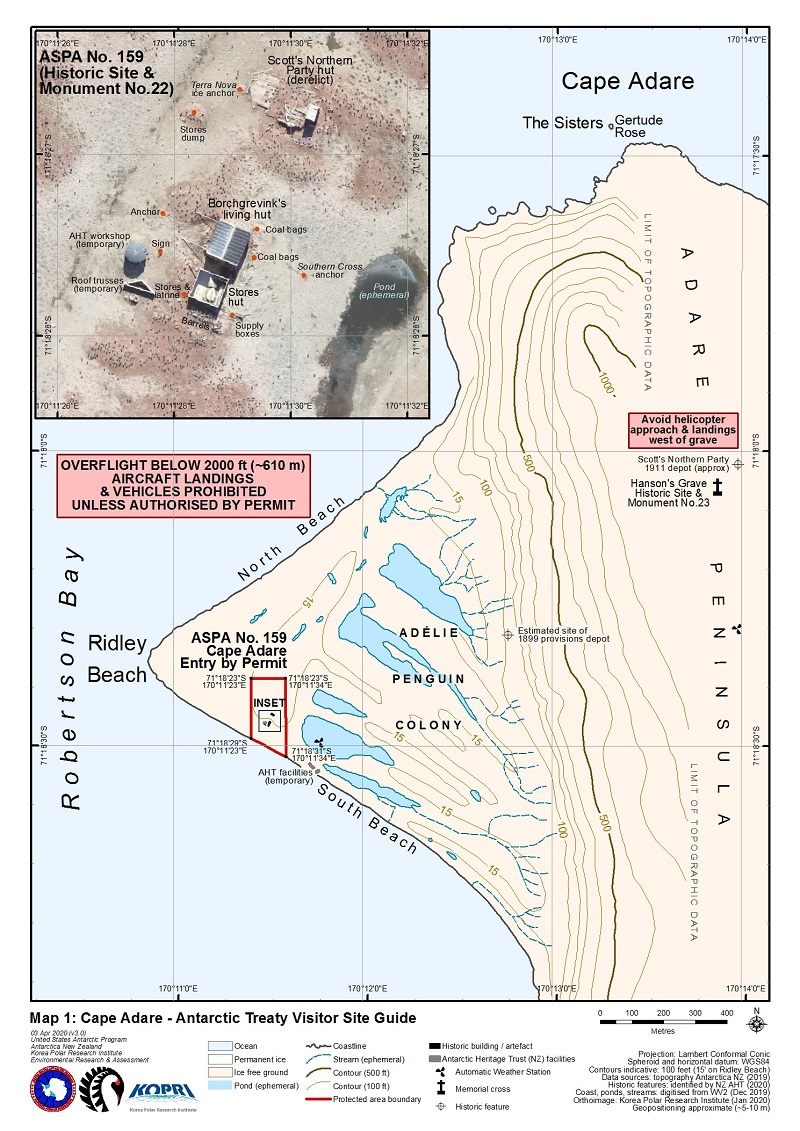
| The historic site at Ridley Beach may be accessed by small boat to the shoreline (Map 1) and thence access shall be on foot. Helicopter landings, overflights and vehicles are prohibited. Specific landing sites, paths or routes of access are not defined. | ||||||||||||
| CLOSED AREA | ||||||||||||
|
• ASPAs are closed except to permit holders. Permit holders must be careful to adhere to the requirements and visitor numbers specified in the Management Plan for ASPA No. 159. • Refuge huts for science / conservation support are closed to visitors. • Access to Hanson’s grave (HSM No. 23) from Ridley Beach is steep, difficult and at times dangerous owing to ice and potential for rockfall. In summer these slopes are occupied by nesting penguins and closed to visitors. |
||||||||||||
| GUIDED WALKING AREA | ||||||||||||
| Visitors entering ASPA No. 159 must be accompanied by a guide. Particular care should be taken when walking around the area to avoid historic artefacts still present on the ground (which may be difficult to see). In summer, the presence of nesting penguins may constrain the areas available for walking. | ||||||||||||
| FREE ROAMING AREA | ||||||||||||
| Visitors may roam freely under supervision outside of the boundaries of ASPA No. 159 (Map 1) subject to the constraints imposed by breeding wildlife. The Visitor Code of Conduct (below) shall be followed at all times. | ||||||||||||
| Visitor code of conduct | ||||||||||||
| BEHAVIOUR ASHORE | ||||||||||||
|
||||||||||||
| CAUTIONARY NOTES | ||||||||||||
|
||||||||||||
|
||||||||||||
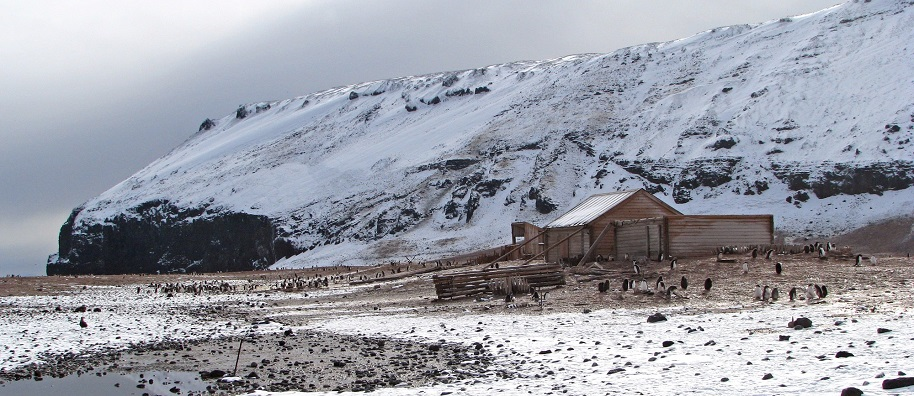
| Fig. 1: Borchgrevink’s huts (HSM No. 22) on Ridley Beach, with Adare Peninsula beyond. Photo: C. Poirot, Antarctica NZ (12 Dec 2016). | ||||||||||||
|
||||||||||||
|
||||||||||||
|
|
Please note that ATCM / CEP circulars are available only to specific contact points.
Please contact your Party Contact Administrator, to confirm if you have privileges to access this section.
To access this section you must log in using your personal Username/Email and password as registered in the AT Contacts Database.
To access this section you must log in using your personal Username/Email and password as registered in the AT Contacts Database.
If you are not registered, please request your party’s Contact Administrator to assign your credentials or contact the Secretariat for assistance.