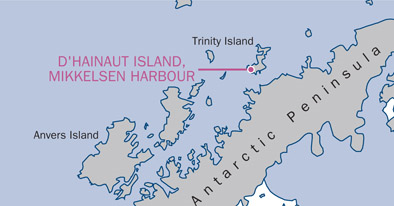
33. D’Hainaut Island, Mikkelsen Harbour, Trinity Island |
||||||||||||

|
||||||||||||
|---|---|---|---|---|---|---|---|---|---|---|---|---|
|
||||||||||||
|
||||||||||||
| Description | ||||||||||||
| TOPOGRAPHY | ||||||||||||
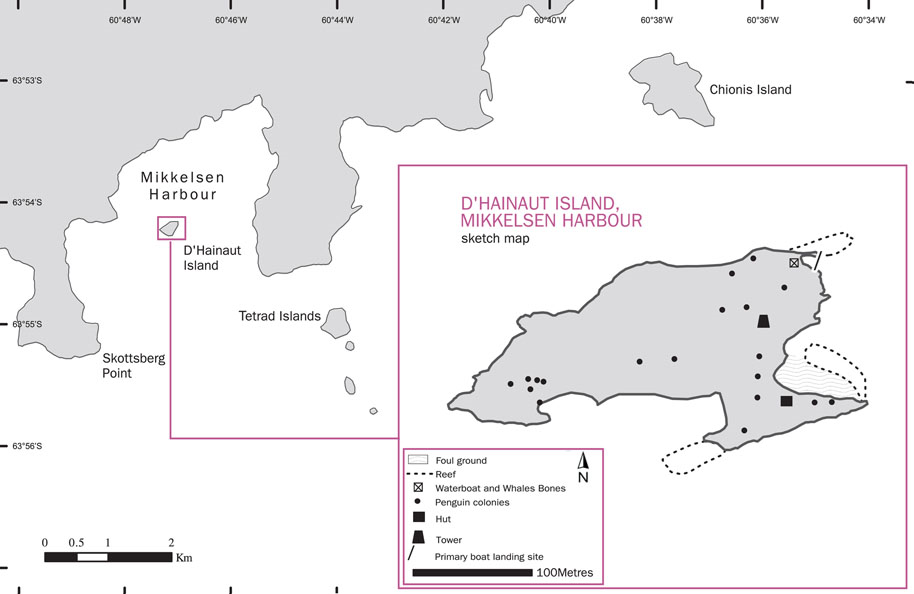
| D’Hainaut Island is a small, largely flat, rocky island (less than 1 sq km). The island is situated in Mikkelsen Harbour a 3km wide bay, lined with ice cliffs, indenting the south side of Trinity Island between Skottsberg and Borge Point. The island is often snow covered until late in the season and there are a number of shallow reefs in the waters surrounding the island. | ||||||||||||
| FAUNA | ||||||||||||
| Confirmed breeders: Antarctic tern, Dominican gull, Gentoo penguin, Skua, Snowy sheathbill. | ||||||||||||
| Likely breeders: Leopard seal. | ||||||||||||
| Regularly haul out: Antarctic fur seal, Weddell seal. | ||||||||||||
| Suspected Breeders: Crabeater Seal. | ||||||||||||
| FLORA | ||||||||||||
| Snow algae may be extensive in late summer. Moss spp., Prasiola crispa, Xanthoria spp., Caloplaca spp. and Verrucaria spp. noted. | ||||||||||||
| OTHER | ||||||||||||
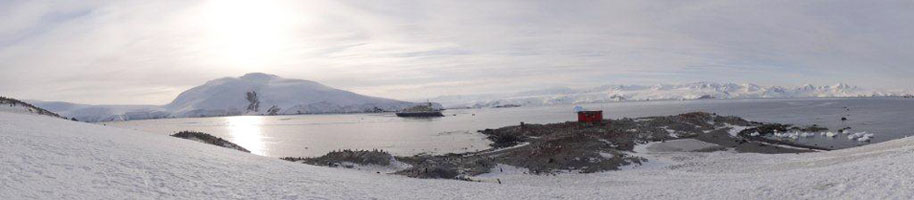
| There is a small Argentine refuge on the island. In addition, there is a large pile of whalebones and a whalers’ water boat located on the northeast shore of the island. | ||||||||||||
| Visitor Impact | ||||||||||||
| KNOWN IMPACTS | ||||||||||||
| None known. | ||||||||||||
| POTENTIAL IMPACTS | ||||||||||||
| Disturbance of wildlife. Disturbance of historic artefacts. | ||||||||||||
| Landing Requirements | ||||||||||||
| SHIPS* | ||||||||||||
|
Max pax on board: 500
Ships at a time: 1 Comments: Maximum 3 ships per day (midnight to midnight), of which no more than 2 can carry over 200 passengers. * A ship is defined as a vessel which carries more than 12 passengers. |
||||||||||||
| VISITORS | ||||||||||||
|
Maximum number of visitors at any time, exclusive of expedition guides and leaders: 100 |
||||||||||||
| Visitor Area | ||||||||||||
| LANDING AREA | ||||||||||||
|
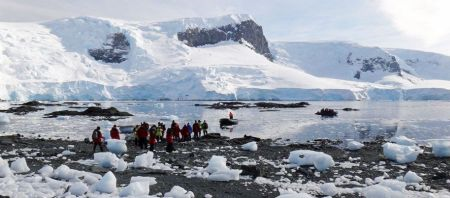
The recommended landing is the north east beach in the vicinity of the whalebones and waterboat. There are several possible alternative landing points around the island as tide and snow conditions will dictate access. If unable to land at the primary landing site, care should be taken to select a landing site away from penguin breeding areas. |
||||||||||||
| CLOSED AREA | ||||||||||||
| None. | ||||||||||||
| GUIDED WALKING AREA | ||||||||||||
| None. | ||||||||||||
| FREE ROAMING AREA | ||||||||||||
| Visitors may roam freely around the island, while taking care in the vicinity of the historic artefacts. | ||||||||||||
| Visitor code of conduct | ||||||||||||
| BEHAVIOUR ASHORE | ||||||||||||
|
||||||||||||
| CAUTIONARY NOTES | ||||||||||||
| Boat drivers should be aware of shallow, rocky approaches to the landing beach. | ||||||||||||
|
||||||||||||
|
||||||||||||
|
||||||||||||
|
|
Please note that ATCM / CEP circulars are available only to specific contact points.
Please contact your Party Contact Administrator, to confirm if you have privileges to access this section.
To access this section you must log in using your personal Username/Email and password as registered in the AT Contacts Database.
To access this section you must log in using your personal Username/Email and password as registered in the AT Contacts Database.
If you are not registered, please request your party’s Contact Administrator to assign your credentials or contact the Secretariat for assistance.