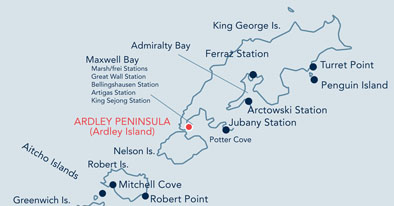
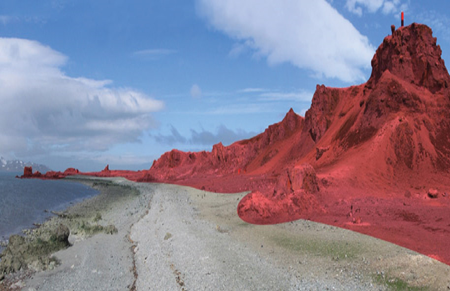
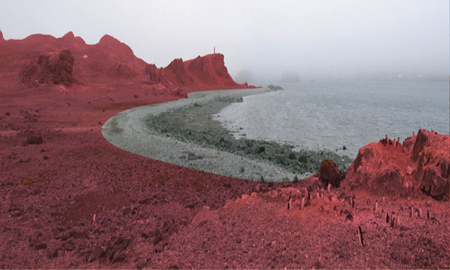
31. Northeast beach of Ardley Island |
||||||||||||

|
||||||||||||
|---|---|---|---|---|---|---|---|---|---|---|---|---|
|
||||||||||||
|
||||||||||||
| Description | ||||||||||||
| TOPOGRAPHY | ||||||||||||
| A cobble beach extending approximately 500 metres, between two rocky points (Faro and Braillard), gently sloping up to the foot of rocky outcrops situated inland. On the western half of the site, these mark a clearly defined change of slope, which becomes less evident towards the eastern half. | ||||||||||||
| FAUNA | ||||||||||||
| Breed in surroundings of the site: Antarctic tern, Black-bellied storm petrel, Cape petrel, chinstrap Penguin, Kelp gull, Skua, Southern giant petrel, Wilson's storm petrel. | ||||||||||||
| Confirmed breeders: Adélie penguin, Gentoo penguin. | ||||||||||||
| Regularly haul out: Antarctic fur seal, Southern elephant seal, Weddell seal. | ||||||||||||
| FLORA | ||||||||||||
| Polychromatic lichen associations can be found on the outcrop walls. Small patches of mosses and the green alga Prasiola crispa can be found on some areas close to the shoreline. | ||||||||||||
| OTHER | ||||||||||||
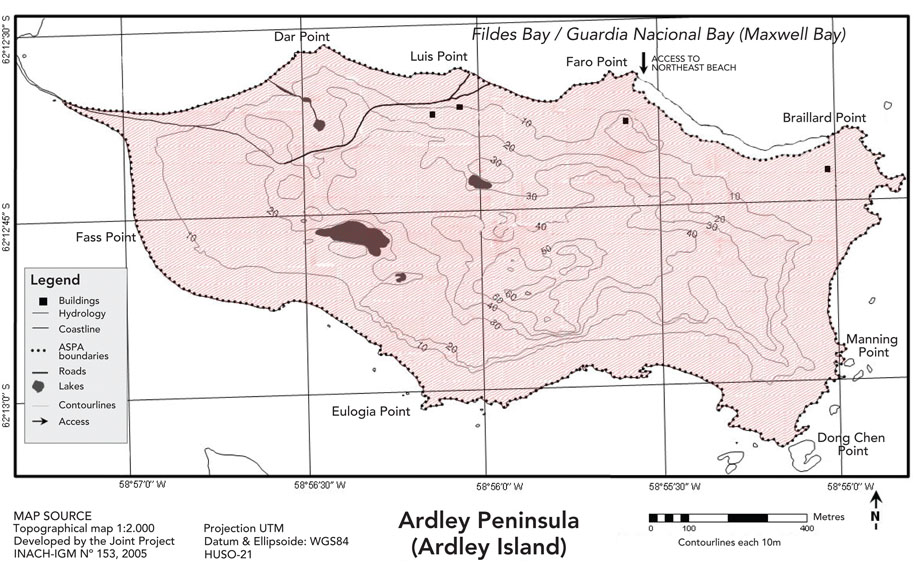
| The whole Ardley Island, except for this site, is an Antarctic Specially Protected Area (ASPA 150) under the Antarctic Treaty. Therefore, entry is prohibited without a permit issued by an Antarctic National Competent Authority. Diverse scientific activities are carried out in the island and it is usual to meet researchers in this site. | ||||||||||||
| Visitor Impact | ||||||||||||
| KNOWN IMPACTS | ||||||||||||
| Disturbance of fauna and trampling of vegetation. | ||||||||||||
| POTENTIAL IMPACTS | ||||||||||||
| Additional disturbance of fauna. | ||||||||||||
| Landing Requirements | ||||||||||||
| VISITORS | ||||||||||||
|
Maximum number of visitors at any time, exclusive of expedition guides and leaders: 20 Visitors per guide: 10 Comments: Personnel from stations located in the surroundings of Ardley should be briefed in and follow the provisions of these Guidelines. |
||||||||||||
| Visitor Area | ||||||||||||
| LANDING AREA | ||||||||||||
| Access only by sea at Faro Point, the site’s westernmost point, just below the lighthouse. | ||||||||||||
| CLOSED AREA | ||||||||||||
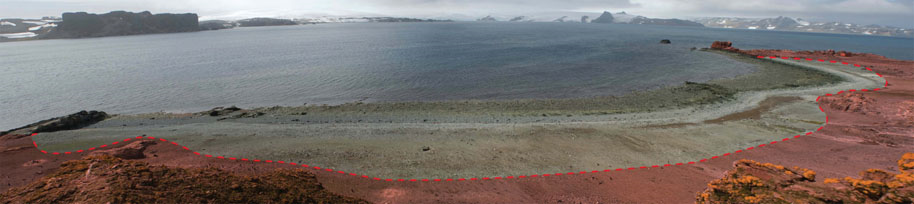
| Entry into the ASPA 150 is prohibited without a permit. | ||||||||||||
| GUIDED WALKING AREA | ||||||||||||
| Visitors should be guided throughout the site. Special care should be taken around the first outcrops of Braillard Point, in order to avoid entry into the ASPA 150. This sector’s topography does not allow for a clear recognition of the site’s southern limit, which is given by the presence of the first line of penguin nests to the South and East. | ||||||||||||
| FREE ROAMING AREA | ||||||||||||
| None. | ||||||||||||
| Visitor code of conduct | ||||||||||||
| BEHAVIOUR ASHORE | ||||||||||||
|
||||||||||||
| CAUTIONARY NOTES | ||||||||||||
|
Differences between low and high tide at the site may be higher than 2m. Check tide tables when planning visits to the site. When approaching the landing site at low tide, be particularly careful, since big boulders are present in the bottom. Four different huts can be seen from the visitor site, but these lie beyond its boundaries, inside the Antarctic Specially Protected Area. These huts should not be used, except in cases of emergency. |
||||||||||||
|
||||||||||||
| View to the site from Faro Hill. Entry into the ASPA (red area) is prohibited without a permit. | ||||||||||||
|
||||||||||||
|
||||||||||||
|
|
Please note that ATCM / CEP circulars are available only to specific contact points.
Please contact your Party Contact Administrator, to confirm if you have privileges to access this section.
To access this section you must log in using your personal Username/Email and password as registered in the AT Contacts Database.
To access this section you must log in using your personal Username/Email and password as registered in the AT Contacts Database.
If you are not registered, please request your party’s Contact Administrator to assign your credentials or contact the Secretariat for assistance.